1. NTC — Negative Temperature Coefficient
With an
NTC thermistor, resistance decreases as temperature increases.
As the temperature rises, the number of charge carriers in the thermistor material increases, resulting in lower electrical resistance.
The relationship between resistance and temperature is generally nonlinear and can be described using mathematical models such as the
Steinhart–Hart equation.
2. PTC — Positive Temperature Coefficient
A
PTC thermistor behaves in the opposite way: its resistance increases as temperature rises.
This change in resistance can also be used by the circuit to detect temperature variations and provide the information required for temperature-related control or compensation.
Different thermistor materials and designs produce different resistance-temperature characteristics, so the appropriate type should be selected according to the requirements of the application.
What Are Thermistor Crystals Used For?
Thermistor crystals can be used in circuits where temperature information is needed to maintain or manage frequency performance.
Typical functions include:
- Temperature compensation
- Temperature monitoring
- Frequency control
- Temperature-related control circuits
Because each TSX model can have its own temperature characteristics, engineers should always check the relevant datasheet before selecting a component. The resistance-temperature relationship and other operating characteristics should match the requirements of the target circuit.
How to Choose a Thermistor Crystal (TSX)
Selecting the right thermistor crystal involves more than simply choosing the required frequency. Temperature characteristics, package size, response behavior and long-term stability should all be considered.
Here are seven important factors to evaluate.
1. Operating Temperature Range
Start by determining the temperature range of the target application.
The selected thermistor crystal should be specified to operate reliably throughout the required temperature range. This is especially important for applications exposed to significant environmental temperature variations.
2. Temperature Accuracy
Temperature accuracy affects how precisely temperature changes can be detected and compensated.
For applications requiring accurate frequency or timing control, choose a TSX with temperature characteristics that meet the design requirements of the system.
3. Resistance and Temperature Characteristics
Review the component’s
resistance-temperature (R-T) characteristics carefully.
NTC and PTC thermistors behave differently as temperature changes, so the appropriate type depends on the circuit design and compensation method.
The manufacturer’s datasheet should be used to understand the specific R-T curve and determine whether calibration or additional adjustment is required.
4. Response Time
Response time determines how quickly the thermistor responds to a change in temperature.
Applications requiring real-time temperature monitoring or rapid compensation may require a component with a faster thermal response, while this may be less critical in systems where temperature changes occur gradually.
5. Package Size
Package size is another important consideration, particularly for compact electronic devices.
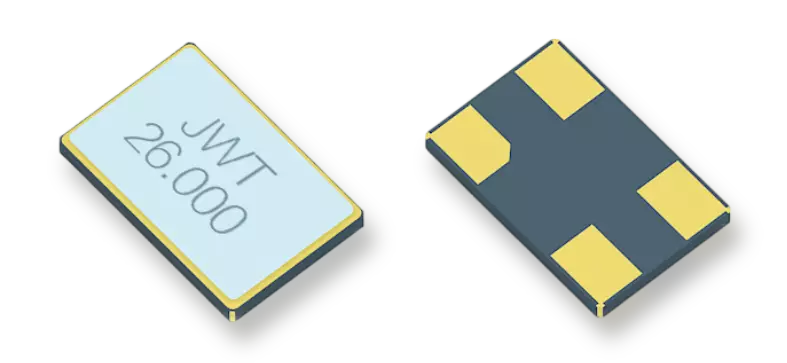
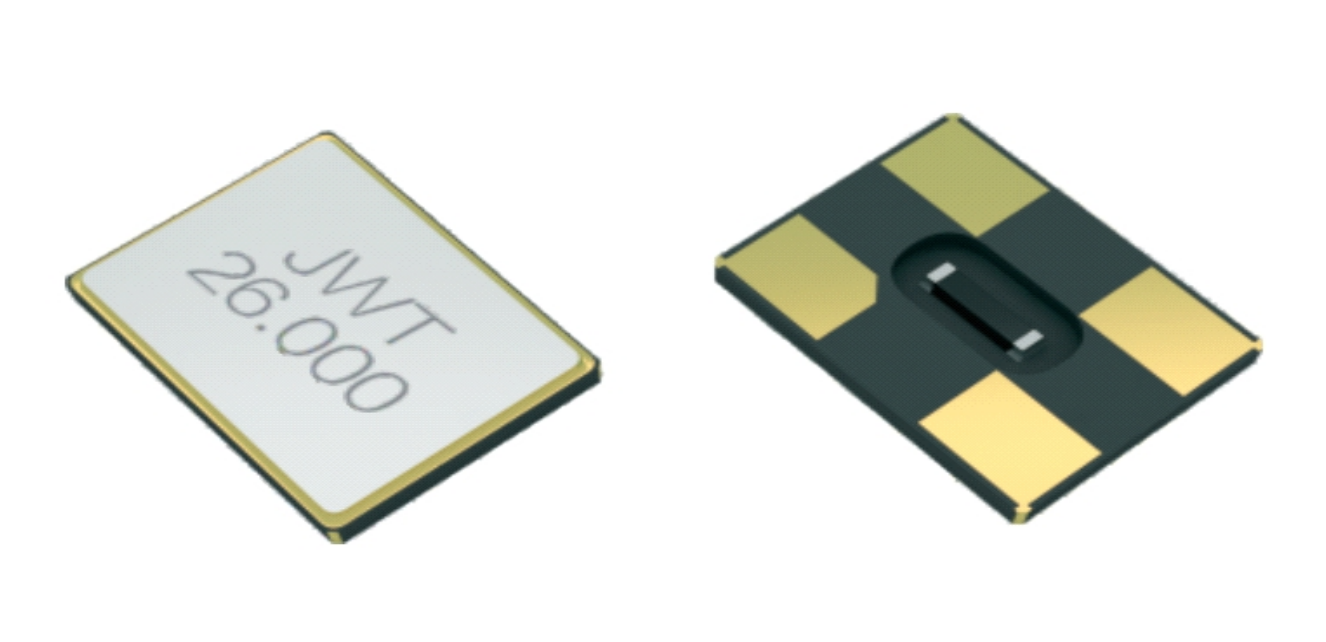
Thermistor crystals are available in different package formats and sizes. Compact SMD packages such as
2520, 2016 and 1612 can be considered for designs where PCB space is limited.
The final package should be selected according to the PCB layout, assembly process and overall mechanical requirements.
6. Long-Term Stability
For equipment designed for continuous or long-term operation, long-term stability should also be evaluated.
Check the relevant specifications and technical documentation to ensure that the selected TSX can provide suitable performance throughout the expected operating life of the product.
7. Manufacturer and Supplier
Finally, work with a manufacturer or supplier that can provide reliable product specifications, technical documentation and consistent quality.
For B2B applications, stable supply and technical support can be just as important as the component specifications themselves.
Choosing the Right TSX for Your Application
A TSX thermistor crystal is a passive quartz resonator with an integrated thermistor and requires an external oscillator and compensation circuit. A TCXO is an active oscillator with internal temperature compensation and provides a clock output such as clipped sine wave, CMOS or LVCMOS. Choose TSX when the system reads the thermistor and performs compensation externally; choose TCXO when an integrated temperature-compensated clock output is required.
When selecting a
TSX thermistor crystal, engineers should consider the operating temperature range, temperature accuracy, resistance-temperature characteristics, response time, package size and long-term stability rather than focusing on frequency alone.
The final selection should always be based on the specifications in the product datasheet and the actual requirements of the circuit.